
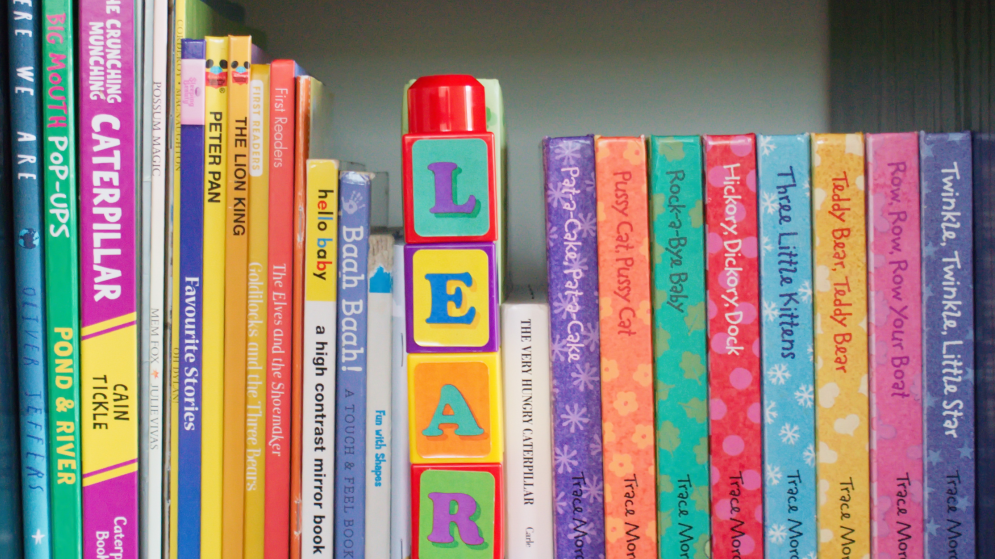
Imagine a child curled up in a cozy corner, absorbed in a story that takes them on an adventure beyond their wildest dreams. As a child’s imagination soars with each page, so does their cognitive development. Books are not just a source of endless entertainment; they’re a vital tool for growth and learning during the formative school years.
The right book can blend education with the pure joy of reading. It can introduce new ideas, build empathy, and open a world of diverse experiences and perspectives. It is crucial for children’s books to reflect a wide range to encourage understanding and acceptance from a young age.
When selecting books for school-age children, consider their reading level and what captivates their interest. A child with a book suitable for their reading prowess will have a much more enjoyable experience that reinforces their love of reading without frustration from material too far beyond their current abilities.
In preparation for section two, where we’ll delve into the rich tapestry of genres and topics ideal for school-age readers, remember that the perfect addition to any young reader’s library isn’t just educational; it’s a book they can’t wait to open again and again.
Every Child’s Library: A Spectrum of Genres and Topics
When I step into the children’s section of a bookstore, I’m immediately struck by the VAST diversity available. With so many possibilities, it’s crucial to build a library that resonates with the varied interests of young readers. Expansive and inclusive, a well-rounded children’s library should offer a journey through multiple genres and themes.
Fantasy titles, for example, like Dr. Seuss books and Peg and Cat, aren’t just thrilling; they’re gateways to creativity and problem-solving. Mysteries such as ‘Nancy Drew’ or ‘The Hardy Boys’ sharpen the mind with their twists and puzzles. Historical fiction can open a window to different eras, allowing kids to live through events that shape the world today.
Let’s not overlook non-fiction, which can be equally compelling. Biographies of figures like Malala Yousafzai or Neil Armstrong inspire bravery and curiosity. Science and nature books uncover the wonders of our universe and environment, inviting children to become young explorers.
Themes are the anchors of a good story. Friendship, exemplified by tales like ‘Charlotte’s Web’, teaches empathy and loyalty. Books like ‘Wonder’ explore resilience in the face of adversity, and stories such as ‘Matilda’ celebrate the courage to stand up for oneself.
Another enriching element for a school-aged child’s library is bilingual or multilingual books. These books promote language development and cultural awareness. They’re not just tools for communication; they’re bridges to other worlds.
In conclusion, the array of options available for young readers today is nothing short of spectacular. An eclectic library—one that includes a variety of genres, topics, and languages—can be the cornerstone of a child’s growth and love for reading. Crafting this library with care sets a solid foundation for what comes next: diving into the books themselves.
Top Picks: Highly Recommended Books for the Curious Young Reader
I’ve sifted through shelves and reading lists to bring you a curated selection of books that I stand behind. These are not just any books; they are doorways to new worlds and ideas for school-age kids. Nothing beats seeing a child’s eyes light up with the joy of a good story, and the titles I’ve chosen prioritize that spark of wonder.
First up, there’s a list of must-read novels and picture books that have captivated hearts and minds. These stories, rich in narrative and characters, include ‘Charlotte’s Web’ for its timeless tale of friendship, and ‘The Invention of Hugo Cabret’, a captivating adventure told through words and pictures.
Focusing on award-winning works, ‘The Tale of Despereaux’ weaves themes of bravery and redemption into an enthralling story, crowned with a Newbery Medal. Likewise, ‘When You Reach Me’ by Rebecca Stead invites readers into a mysterious and thought-provoking world that has garnered widespread praise.
Understanding the value of inclusivity, I’ve also highlighted titles such as ‘Wonder’ by R.J. Palacio, which fosters empathy, and ‘The Name Jar’, exploring themes of cultural identity and acceptance. These books help children see the world from diverse perspectives, a foundational aspect of a well-rounded education.
Let’s not forget that in an age when new stories are written every day, keeping an eye on the latest titles is just as important as cherishing the classics. Books like ‘The Wild Robot’ engage young tech enthusiasts, teaching valuable lessons amidst a backdrop of futuristic storytelling.
Finally, what do others think about these books? The opinions of educators, parents, and most importantly, the kids themselves, count. Titles like ‘Pax’ by Sara Pennypacker receive glowing reviews for their heartwarming narrative and have been lauded for their depth and relevance.
Beyond the Page: Encouraging Ongoing Engagement with Books
Choosing the perfect book for a school-age child can spark a lifelong passion for reading. Yet, this initial step is just part of a larger journey. To keep that spark alive, it’s crucial to create an environment that nurtures an ongoing engagement with books.
At home, this might look like dedicating a cozy corner filled with a variety of reading materials, alongside comfortable seating and good lighting. In classrooms, teachers can build a mini-library corner, where book-sharing and storytelling sessions invite participation. Let children choose what they read; this empowerment can boost their enthusiasm.
Book clubs aren’t just for adults. Starting a book club for kids, whether at home, in the classroom, or through the local library, provides them with an opportunity to share their thoughts and delve into stories with their peers. Such clubs encourage critical thinking and communication skills.
The digital landscape offers innovative tools that align with the interests of the tech-savvy generation. Reading apps and interactive e-books can complement physical books, making reading even more engaging. These platforms might offer interactive quizzes, games, and activities that relate to the book’s content.
Ultimately, parents and teachers play an irreplaceable role. When you discuss books with children, show interest in their opinions, and provide them with a variety of reading options, you’re doing more than just encouraging them to read. You’re giving them the tools to become thoughtful, informed, and imaginative individuals.