

Think of educational children’s books as keys to vast, unexplored worlds waiting for young minds to unlock their treasures. These books aren’t merely pages filled with words and pictures; they are catalysts for curiosity, growth, and a deep love for learning. With the right book, a child can embark on an adventure that goes beyond the boundaries of imagination, fostering an understanding of diverse cultures, scientific wonders, and historical events.
When selecting highly-rated educational books for children, I’m looking at specific criteria to ensure they provide exceptional value. The books need to engage young readers, present accurate information, and align with their developmental stage. They should also include narratives that promote empathy and problem-solving. Moreover, they should be diverse in characters and settings to promote inclusiveness and global awareness.
Now, I’m going to share with you a curated list of top-ranked educational children’s books. This collection is meticulously compiled from expert reviews and parent testimonials. These aren’t just any books; they’ve stood out for their ability to enlighten as well as entertain. Mark my words, you’re going to find out about books that have received accolades for their rich content and ability to connect with young readers.
I’m here to guide you through the world of educational literature for kids. And remember, this is more than just a list. Each book has proven its worth in homes and classrooms alike, igniting sparks of brilliance in the minds of children. So, let’s ready ourselves to explore these wonderful resources that carry the potential to shape our next generation of thinkers and leaders.
A Journey Through Words: Books That Cater to Curious Minds
Curiosity is the engine of intellectual achievement. That’s why educational books that cater to inquisitive young minds aren’t just about feeding them facts; they’re about sparking a passion for learning. In this section, you’re going to find out about the kinds of books that are designed to kindle that spark.
When selecting books for children, you want to consider not just the content but also its appropriateness for the child’s age. Developmental benefits range from language acquisition in younger children to problem-solving skills in older children. Books tailored to these developmental stages aid in solidifying these skills.
In my opinion, diversity in subject matter and cultural representation can significantly enhance a child’s educational experience. From books on science and history to stories set in different countries, these works broaden horizons and teach valuable lessons about the world and the people in it.
Don’t worry too much about trying to cover every topic under the sun. Instead, choose something that resonates with your child’s current interests, as this is more likely to encourage them to read more. You can always adjust your approach down the road by introducing new topics as their interests evolve.
Illustrations That Speak Volumes: Visual Storytelling in Children’s Literature
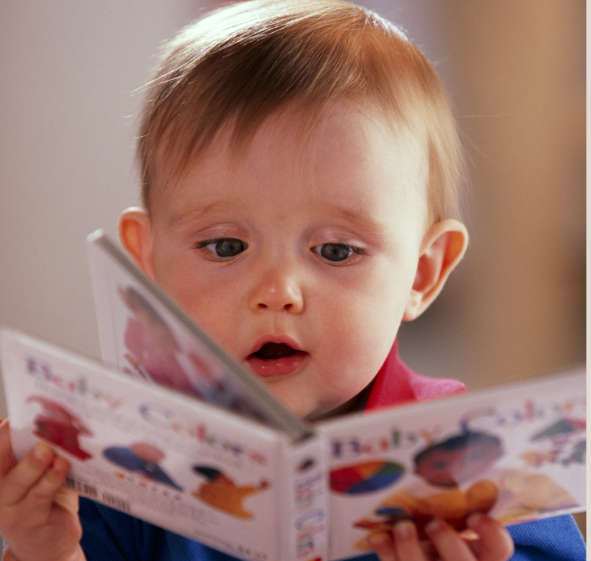
Did you know that a child’s ability to understand and remember a story can significantly improve with the right illustrations? It’s not just about colorful pictures; it’s about how they bring words to life and help children visualize complex concepts.
Take, for example, award-winning books like ‘The Invention of Hugo Cabret’ by Brian Selznick, or ‘Journey’ by Aaron Becker. These books have managed to captivate children’s imaginations through detailed and thought-provoking visuals that enhance the narrative.
The role of illustrations in children’s books isn’t just aesthetic. They’re educational tools that can aid in literacy development by providing visual context clues. These allow young readers to infer meaning and thereby enrich their reading experience.
Studies have shown that illustrations can aid with word recognition and comprehension, especially for those who are just starting to read. They act as scaffolds supporting the transition to text-only books as children grow older and more confident in their reading skills.
It’s fascinating to see how the collaboration between author and illustrator can create a more immersive learning environment. A well-illustrated book can introduce complex subjects in a manner that’s accessible and even fun for kids. The book ‘The Way Things Work Now’ by David Macaulay is a prime example, making the world of mechanics and engineering approachable for young minds.
Of course, the visual appeal of a book is what often draws children in the first place. It’s the detailed worlds within the covers that keep them coming back, eager to explore more. So choose books with compelling illustrations; they’re vital in fostering a lifelong love of reading and learning.
Instilling a Lifetime Love for Reading: How to Choose and Use Educational Books
Choosing the right book for your child can feel like searching for a needle in a haystack. But it doesn’t have to be overwhelming. Start with your child’s interests. Are they fascinated by dinosaurs or obsessed with fairy tales? Pick books that feed their curiosity.
Involving educational books in your family routines can turn reading into a daily adventure. Maybe it’s a bedtime story or a weekend afternoon ritual. Consistency helps create anticipation and a sense of normalcy around reading.
I’m going to let you in on a little secret: kids often mirror their parents. So, if you want your children to pick up a book, make sure they catch you reading too. This doesn’t just promote literacy; it also strengthens your bond as you share stories and discuss them together.
Finally, remember to keep it fun. Your first attempt doesn’t need to be your last. You can always adjust your approach down the road. What works for one child may not work for another, and that’s okay. The goal is to instill a lifelong love for reading, encouraging learning that stretches far beyond the pages of a book.