
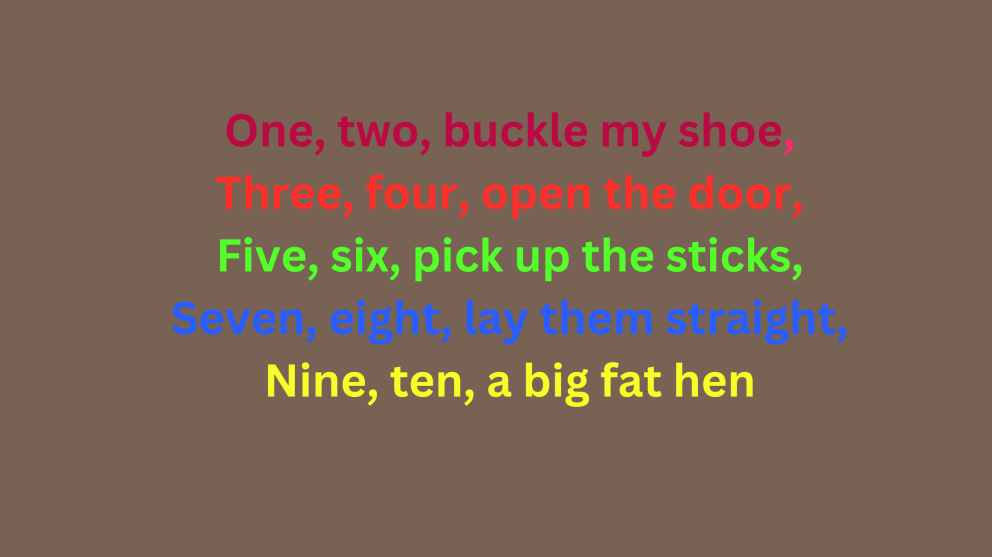
Have you ever noticed how children light up when they hear rhymes and rhythmic patterns? That’s because there’s a bit of magic in the way rhyme and rhythm play with words, turning an ordinary story into an enchanting experience. But it’s not all about fun and games; these lyrical elements are a powerful tool in early development. I’ll show you just HOW influential they can be and WHY you might consider making them a staple in your child’s life.
Rhyme and rhythm are more than simple repetition; they’re the foundation of early literacy. Rhymes help young ones predict what’s coming next, reinforcing memory and understanding of language patterns. Rhythmic patterns, whether in songs or stories, tap into children’s innate sense of beat and order, helping them to develop listening and concentration skills that are crucial for learning.
Moreover, engaging children with rhythm and rhyme has profound neurological benefits. As I explore the complexities of these lyrical elements, studies reveal that rhythmic engagement can improve brain development, particularly in regions associated with language and reading skills. It’s not only about language fluency; it’s also about creating neural pathways that will facilitate a range of cognitive skills.
Bringing Stories to Life: Best Practices for Integrating Rhyme and Rhythm in Storytelling
As I delve into the art of storytelling, I recognize that the incorporation of rhyme and rhythm isn’t just an optional extra; it’s a powerful tool to capture the attention and imagination of young listeners.
Simple, repetitive phrases find their place effortlessly in the minds of children. When I use rhyme, the likeness in sounds makes remembering words easier, turning storytelling into a participatory activity where kids eagerly await the chance to chime in.
Adding melody and rhythm has a significant impact on engagement. Every time I pair a story with a familiar tune or let children clap along to the beat, their faces light up, and their bodies move in sync with the words, making the experience deeply memorable.
Take the timeless appeal of classics like ‘The Cat in the Hat’ or ‘Green Eggs and Ham’. The distinctive cadences of Dr. Seuss have danced off the tongues of many a parent and educator, demonstrating effective rhyme schemes that enchant and educate simultaneously.
To foster this environment, both at home and in the classroom, I advocate for interactive read-aloud sessions. Using exaggerated expressions and varying tones can turn a simple book reading into a dynamic and immersive experience for children.
I’ve noted that when parents and teachers model the enjoyment of rhythmic reading, children naturally follow suit. I encourage tapping into this infectious energy by creating original rhymes or songs related to stories or themes being discussed. Kids don’t just listen; they become co-creators of the rhythmic journey.
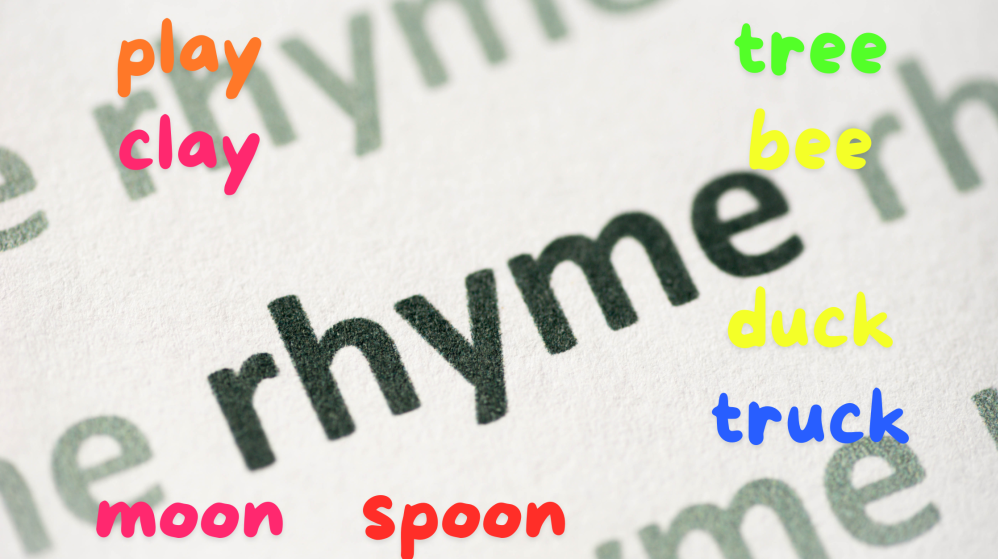
Measuring the Impact: Positive Outcomes of Rhythmic Engagement
Rhythmic engagement isn’t just a fun diversion; it’s a powerful tool in a child’s educational journey. Studies have repeatedly shown that children who engage with rhyme and rhythm tend to exhibit stronger literacy skills as they grow. They learn to anticipate patterns, which is a fundamental aspect of reading fluency.
Educational settings have taken note of this, and many incorporate rhyming games and songs into their curricula. In these environments, kids don’t only learn to read better; they also gain confidence in their abilities. This confidence can cascade into other areas of learning, fostering a positive attitude toward education as a whole.
The joyous responses of children who engage with rhyme and rhythm are telltale signs of its effectiveness. Teachers and parents often share stories of children who, after struggling with more traditional methods, suddenly light up when lessons are laced with rhyme. It’s a compelling endorsement for the inclusion of these techniques in teaching.
In conclusion, embracing the rhythm and rhyme in educational content isn’t just about following a trend. It’s about recognizing and utilizing an innate human love for patterns and musicality that can greatly facilitate learning. By interweaving these elements into educational practices, educators and parents can provide children with a robust foundation for future academic success and a lifelong love for language.