

You know that look in a toddler’s eyes when they discover something new? It’s awe-inspiring. Educational books for toddlers are more than just pages with bright pictures and large text. They are a treasure chest that unlocks young minds to a world of learning.
Storytelling is a powerful educational tool for toddlers. It helps them piece together narrative structures and builds cognitive pathways for understanding the world around them. These narratives lay the groundwork for critical thinking and problem-solving skills as they grow.
Books are not only about stories; they’re an introduction to the building blocks of language. Toddlers learn new words and phrases, which in turn advance their vocabulary and comprehension abilities. This is an essential step on the road to effective communication.
When you read to a toddler, you do more than narrate a story. You’re instilling a love for reading and learning that can last a lifetime. Books that address social and emotional concepts help them learn about feelings, relationships, and empathy, crucial pieces of the human experience.
Let’s not overlook the role of parents, caregivers, and educators. Reading with a toddler creates a nurturing educational environment. It’s an opportunity to bond and is as much about the experience as it is about the content of the book.
Transitioning from the WHY to the WHAT, let’s explore some top children’s book choices that have proven effective and enjoyable for toddlers. Our next section will highlight key recommendations for age-appropriate literature that align with developmental milestones.
Top Picks: Age-Appropriate Educational Books for Toddlers
In selecting books for toddlers, I prioritize those that not only entertain but also foster early learning. I consider a diverse range of topics and interactive elements to engage young minds. Here, I share my top picks in educational books that cater to the developmental stage of 1- to 3-year-olds.
It’s crucial to choose books that reflect the world’s diversity. I search for titles with characters from varying backgrounds, presenting an inclusive perspective to young readers. This early exposure can cultivate empathy and understanding of different cultures.
Touch-and-feel books or those with flaps offer an interactive experience. Toddlers learn best when they can engage multiple senses, and these books invite them to explore their curiosity and develop fine motor skills by touching different textures and moving parts.
Books that introduce early concepts such as numbers, colors, and shapes are fundamental. Bright illustrations and clear labels help toddlers associate words with visuals, reinforcing their understanding of basic concepts critical at this stage.
Nature and science-themed books can instill a sense of wonder about the world. I recommend books that present these subjects in a simple and approachable manner, sparking early interest in the sciences.
Creativity is a muscle that requires early and regular exercise. Art and music books, often filled with vibrant images and sounds, are effective tools in stimulating a child’s imagination and creative thought processes.
Lastly, the physical attributes of a book are just as important, especially for toddlers. I ensure the books are durable and safe for little hands, with rounded corners and non-toxic materials, capable of withstanding the occasional teething or rough handling.
Beyond the Pages: Enhancing the Learning Experience
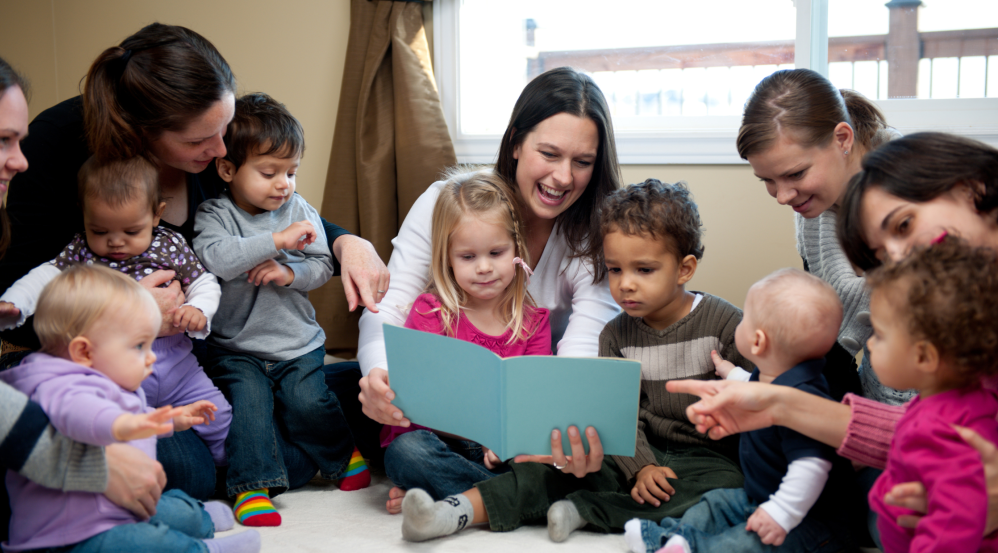
Reading is just the beginning of a child’s adventure into learning. While the right educational books are fundamental, the real magic happens when their wisdom is extended beyond the printed pages. By weaving reading into your toddler’s daily activities, you establish a practice that becomes second nature. It’s about building habits that nurture curiosity and encourage exploration.
Consider engaging, post-reading activities like simple crafts or drawing sessions that relate to the book’s themes. These help cement the concepts your toddler encounters in their books. Games that encourage the recognition of letters, shapes, and numbers also deepen their understanding and make learning a playful, joyous event.
Don’t overlook the power of audiobooks and read-along tools for when you’re on the go or when your child wants some independent learning time. Hearing stories read aloud can enrich language skills and add a delightful dimension to storytelling.
Setting up a reading nook can transform your child’s perception of reading from a task to a treasured pastime. This dedicated space doesn’t have to be large or elaborate; a cozy corner with comfortable seating and good lighting is plenty. It’s a clear, inviting signal that this is their special spot for adventures in reading.
And lastly, keep pace with your child as they grow and evolve. Their interests will change, and the books that captivate them will too. Regular visits to libraries and bookstores can be exciting quests for their next beloved read. Remember, the goal is to instill a love of learning and reading, one page at a time.