

If you write for children, you know that your words have the power to spark imaginations and nurture a love for reading. But before your story reaches little hands and eager minds, it’s crucial to ensure the manuscript is as polished as can be. This is where editing and proofreading are indispensable.
Why are these steps so vital? Well, they transform your draft from a rough diamond to a gleaming gem that young readers can enjoy without stumbling over errors. From picture books to young adult novels, every children’s book should go through meticulous editing and proofreading to ensure clarity, engagement, and a seamless reading experience.
As the author, your role doesn’t end with the last period you type; it extends into the careful review and refinement stages. I understand how personal your creation is, but a professional touch in editing and proofreading can elevate your work, ensuring that it communicates effectively with your audience. This outline will guide you through the nuances of editing and proofreading so you can make your children’s book the best version of itself.
Diving into Developmental Editing for Children’s Books
When I talk about developmental editing, I’m referring to the stage where the backbone of your children’s book is thoroughly examined. It’s more than just giving your manuscript a quick read; it’s an in-depth analysis of every element that makes your story engaging and educational for young minds.
The characters of any children’s story are its beating heart. During this phase, you’ll need to pay close attention to ensure that your characters are relatable and that their development is clear and compelling. Young readers should be able to see themselves in these characters or learn from them.
Plot structure is equally paramount. The sequence of events should be straightforward and logical but also captivating. Pacing is crucial and should match the attention span of your audience, which can be quite short for younger children. Remember, complexity can be lost on young readers, so simplicity is your ally.
Another side of developmental editing is gauging if the content is age-appropriate. Ensure your book contains themes and language that are suitable for the intended age group. Concepts should be simple enough to grasp yet intriguing enough to maintain interest.
Developmental editing may also include evaluating how interactive elements or potential educational content align with your story. If you are including puzzles, questions, or activities, they should enrich the narrative rather than distract from it.
By the end of this elaborate developmental editing process, the goal is for your manuscript to emerge stronger and more coherent, honed specifically for its intended young audience. Once this stage is complete, you can move on to refining the details with copy editing, which focuses on clarity and consistency.
Copy Editing Checklist: Clarity and Consistency for Young Readers
As a children’s book author, I understand the power of words and their ability to shape young minds. This stage of editing focuses on refining language to ensure the story is easily digestible and enjoyable for children. Let’s zero in on what to remember during copy editing.
Grammar is the cornerstone of clear communication, no matter your audience’s age. I scrutinize each sentence for correct verb tense usage, subject-verb agreement, and proper sentence structure. These are essential in maintaining professional credibility and preventing any confusion for young readers.
Word choice is particularly critical in children’s literature as it must be age-appropriate and understandable. Large, complex words can be off-putting or confusing, so I opt for simpler synonyms when possible. Additionally, I ensure that the language evokes the right emotions and visuals to capture children’s imagination.
Consistency is key. Tone and voice must be uniform throughout the book to provide a smooth reading experience. Children appreciate predictability in the stories they read, and any jarring shifts in tone can be disorienting for them.
Another aspect of consistency to be mindful of is character names and descriptions. If a character has blue eyes on page one, those eyes shouldn’t inexplicably change color by page ten. I create a style sheet to track these details, which also helps illustrators match their visuals to the text.
Speaking of visuals, illustrations are often what children notice first. They need to complement the story and not contradict the written word. Are the images reflecting the same mood the text is setting? I always work closely with the illustrator to synchronize the story and illustrations, which may necessitate tweaks to the narrative for better alignment.
The Final Polish: Proofreading Must-Dos Before Publication
I understand that by the time you reach the proofreading stage, it may seem like just one final read through; it should be straightforward, right? However, it is critical not to underestimate this last step. Proofreading is your safety net before your book lands in the hands of eager young readers and their caregivers.
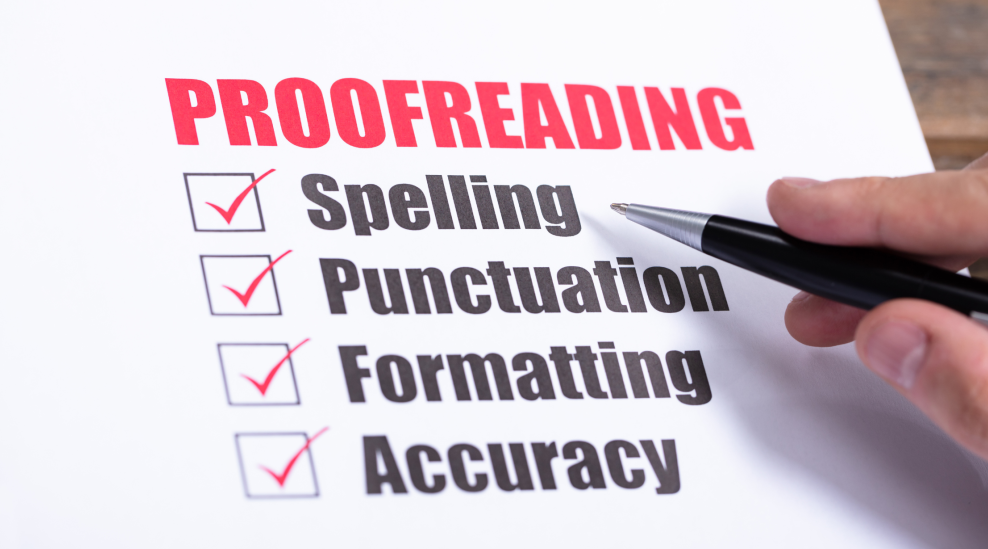
Unlike editing, proofreading doesn’t delve into reworking content but focuses on the surface errors. It’s about the fine details. Look out for common typos, misplaced punctuation, and those slippery spelling errors that might have gone unnoticed.
Consistency in your layouts and fonts is another aspect to scrutinize. Children’s books often utilize a variety of font styles and sizes to emphasize certain points, and you want to make sure these are applied uniformly throughout.
Additionally, don’t forget to proof the non-narrative elements of your book. This includes the index, if you have one, as well as dedications, the author’s note, and any educational supplements. These sections are just as important and contribute to the professionalism of your final product.
Remember, a well-proofread book demonstrates respect for your audience and pride in your work. It contributes greatly to building trust with your readers and establishing your reputation as a children’s author. Paying attention to every last detail ensures your book is the best it can be when it finally reaches your readers’ hands.