
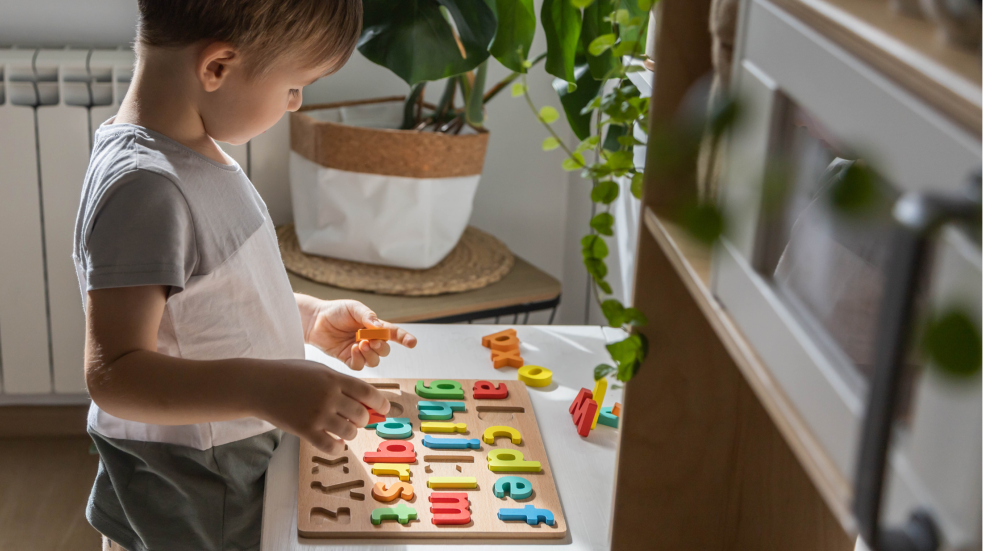
I think it goes without saying that literacy skills are critical in early childhood. These skills are the stepping stones to successful communication and learning throughout life. But, here’s something to mull over: the role of play in cognitive and language development is just as vital. While adults often see play as merely recreational, for children, it is their main avenue for learning.
Now, you may wonder, how do literacy skills flourish through play as opposed to conventional learning methods? Studies have shown that children learn best in an environment where they can explore, experiment, and express themselves. Traditional structured learning has its merits, but when kids engage in play, they naturally develop the literacy skills they need without even realizing it.
And when I say play, I’m not just talking about toys and games. Language, particularly, is honed through interaction. Narrating actions, expanding on stories, and sharing experiences, these are all playful elements that can be woven into everyday activities. It’s about creating opportunities within play for children to identify letters, sounds, and words in contexts that matter to them.
Strategies for Fostering Literacy Through Exploration
Children are natural explorers, and their journey toward literacy can be full of wonder and discovery. Harnessing this innate curiosity is key to cultivating strong literacy skills. Here’s how to lay the groundwork in a home or classroom setting.
First, consider the environment. A space filled with a variety of books, labels, and writing materials invites children to interact with text in a meaningful way. Place books at child-level, where they can reach for a story whenever curiosity strikes.
The activities you introduce should clearly connect with literacy goals. For example, a treasure hunt with written clues can enhance reading comprehension, while a grocery store role-play might involve making signs and lists, reinforcing writing and spelling skills.
Storytelling and role-play aren’t just entertainment; they’re powerful tools for literacy. Encourage children to tell stories about their drawings, building connections between spoken words and images. This bridges the gap between reading and writing in an organic way.
Engaging parents and caregivers is vital. Share strategies they can use at home to support literacy through play. Offer simple ideas, like cooking together while reading a recipe aloud, to show how everyday activities are opportunities for literacy development.
The Intersection of Play, Exploration, and Technology in Literacy
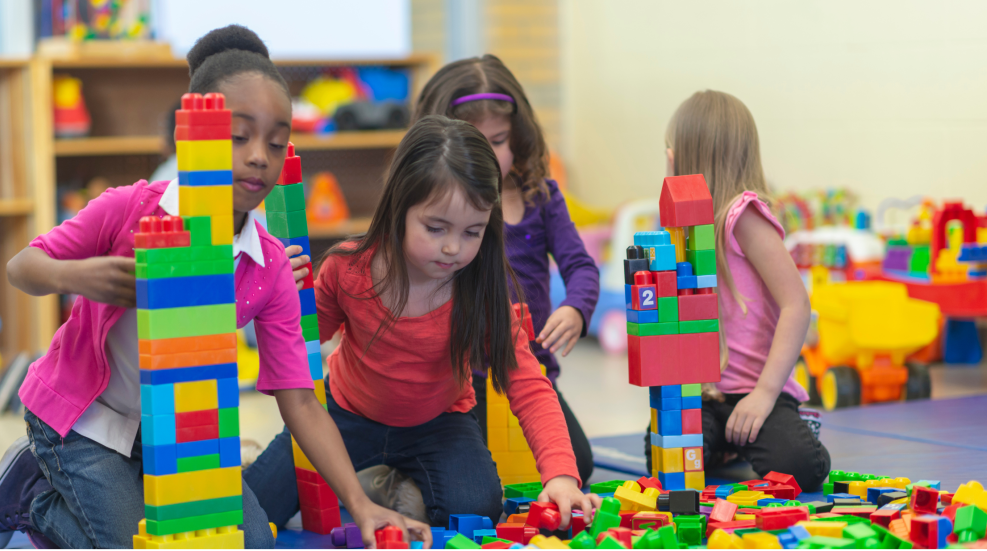
In today’s world, there’s no overlooking the impact of technology on nearly every aspect of life, including how children learn and develop literacy skills. However, it’s crucial to strike a careful balance between screen time and tactile, hands-on learning experiences. That balance ensures kids reap the benefits of technology without missing out on the irreplaceable value of physical play and exploration.
Technology, when used judiciously, can be a powerful ally in promoting literacy. There are countless educational tools designed to support literacy through play. Apps and games that couple learning with fun engage children and serve as excellent supplements to traditional learning methods. Kids often see these as play rather than work, which can help motivate them to learn.
Digital interactive books are an exceptional tool. These innovative books often include features such as read-aloud narration and interactive, animated pictures. These elements keep children engaged and help build their vocabulary, understand the narrative structure of stories, and develop phonemic awareness. Similarly, educational games focused on word building or sentence construction can transform a challenging literacy concept into an enjoyable activity.
That said, it’s important for caregivers to implement safe and productive technology practices. This encompasses setting reasonable time limits for screen use, choosing age-appropriate and educational content, and ensuring that technology use doesn’t replace other important developmental activities, like creative play, physical activity, and human interaction.
As we transition into the next section, remember that while technology can be a valuable tool, the key is maintaining an environment where play and exploration continue to be central to literacy development. Next, we’ll discuss how to assess the ways children are developing literacy skills through their play and how to meaningfully interpret the progress they make.
Assessing Literacy Development: Playful Methods and Tools
To really gauge a child’s literacy development, sometimes you need to take a step back and observe. That’s what play-based assessments are all about. They aren’t just about numbers and benchmarks; they’re about understanding each child as an individual learner. Unlike traditional tests, these involve observing children as they interact with literacy-related play, giving us valuable insights into their learning.
Equipped with a variety of assessment tools, educators and parents alike can keep an eye on progress without disrupting the natural learning process. Observation checklists, anecdotal records, and portfolios of children’s work can all tell a story of growth over time. It’s critical to use these tools thoughtfully and to see them as part of a broader picture rather than definitive judgments.
Since every child learns at their own pace, assessment methods need to adapt. What works for one might not work for another. It’s essential to tailor these methods to align with each child’s unique interests and abilities. This may mean adjusting the difficulty of tasks, offering different types of literacy play, or simply giving the child more time to engage with the material.
Lastly, let’s not forget the power of positive reinforcement. Praise and encouragement go a long way to further deepen a child’s interest in literacy. When children are celebrated for their achievements, no matter how small, it can boost their confidence and foster a lifelong love of reading and writing. And isn’t that the ultimate goal?